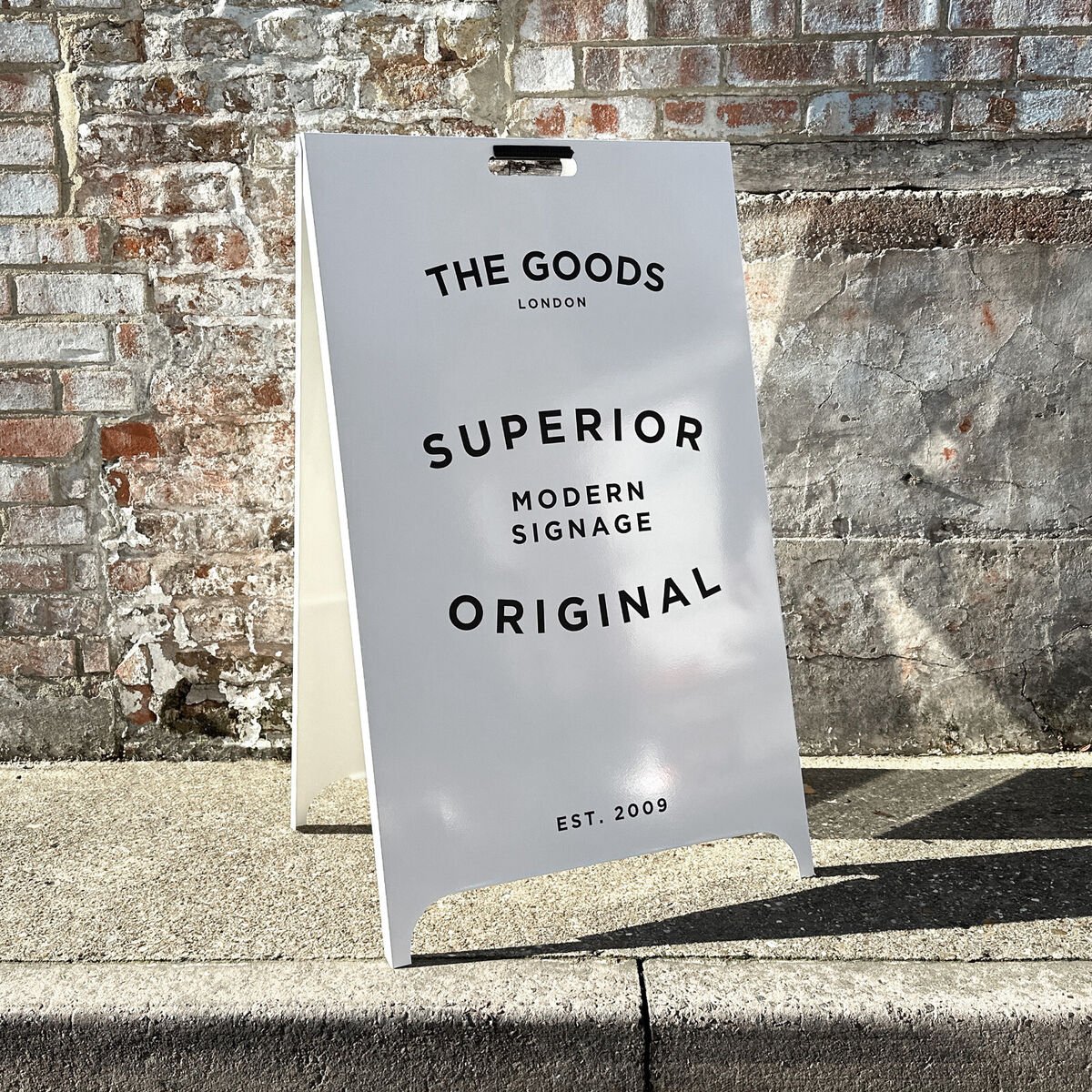
What is ACM and why is it used for signs?
ACM stands for Aluminium Composite Material — one of the most widely used materials in the sign industry. This post explains what it is, why it’s so popular and whether it’s right for your project.
What is ACM?
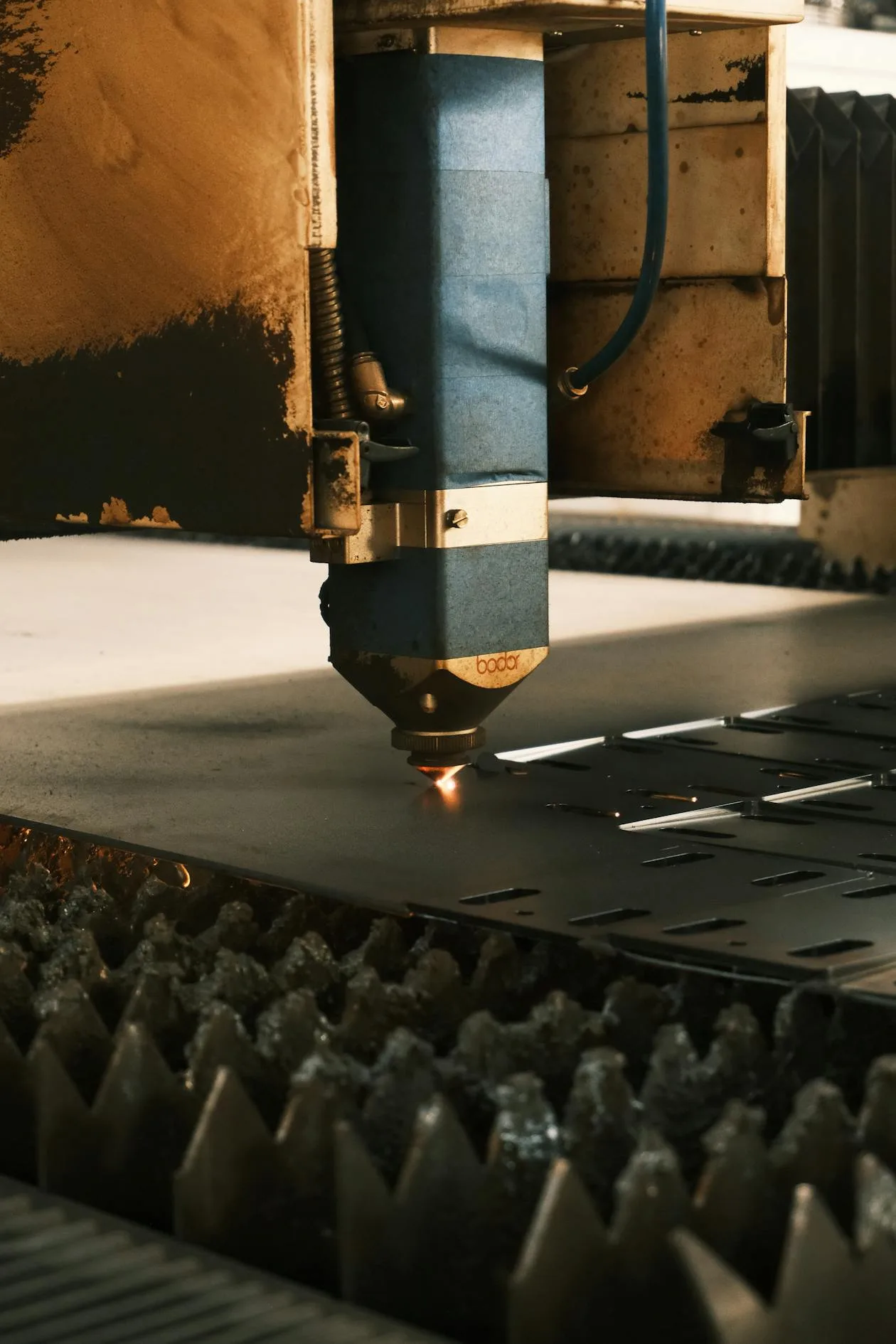
ACM is made from two thin aluminium sheets bonded to a solid polyethylene core. The result is a panel that is lightweight but rigid — far easier to handle and install than solid metal, but with none of the flex you get from foam PVC. It comes in standard sheet sizes, a range of colours and finishes, and can be cut, routed and printed on directly.
Why is ACM used for signs?
ACM has become the go-to material for outdoor signage for several reasons. It is weather resistant and holds up well in UV, rain and wind. Because it is flat and rigid, print looks sharp and consistent across the whole surface. It is straightforward to install using fixings or standoffs, and with a lifespan of 10 or more years outdoors, it represents good long-term value for businesses.
What types of signs use ACM?
ACM is used across a wide range of applications — shop fascia signs, building signage, estate agent boards, site hoardings, wayfinding systems and interior wall panels. Both directly printed and vinyl applied finishes work well on the surface.
How does ACM compare to other sign materials?
Compared to foam PVC, ACM is harder, more rigid and significantly better suited to outdoor use. Dibond is essentially a premium version of ACM with a thicker aluminium skin — better for large format or heavy duty applications. Solid aluminium is much heavier and more expensive with no real advantage for most sign work.
Can 3V Signs make ACM signs?
Yes — we cut, print and install ACM signs for businesses across Berkshire and the UK. Whether you need a single fascia sign or a full building signage package, we can supply only or handle full installation.
Cut, Routed & Printed In-House
ACM panels fabricated to size and finish from a single workshop.
Built for Outdoor Use
Weather resistant with a lifespan of 10+ years outdoors.
Standard or Bespoke Sizes
Full sheets or cut-to-size panels, whichever your project needs.
UK Produced, Bracknell Based
Designed and produced from our Bracknell workshop.
Explore More Services
Other print and signage products from 3V Signs.