What size banner do I need for my event?
Banner sizing seems simple until you order one that arrives too small to read or too big for the space. This guide covers everything you need to know to get it right first time — from standard UK banner sizes and viewing distances, to outdoor spec and the difference between portrait and landscape formats.
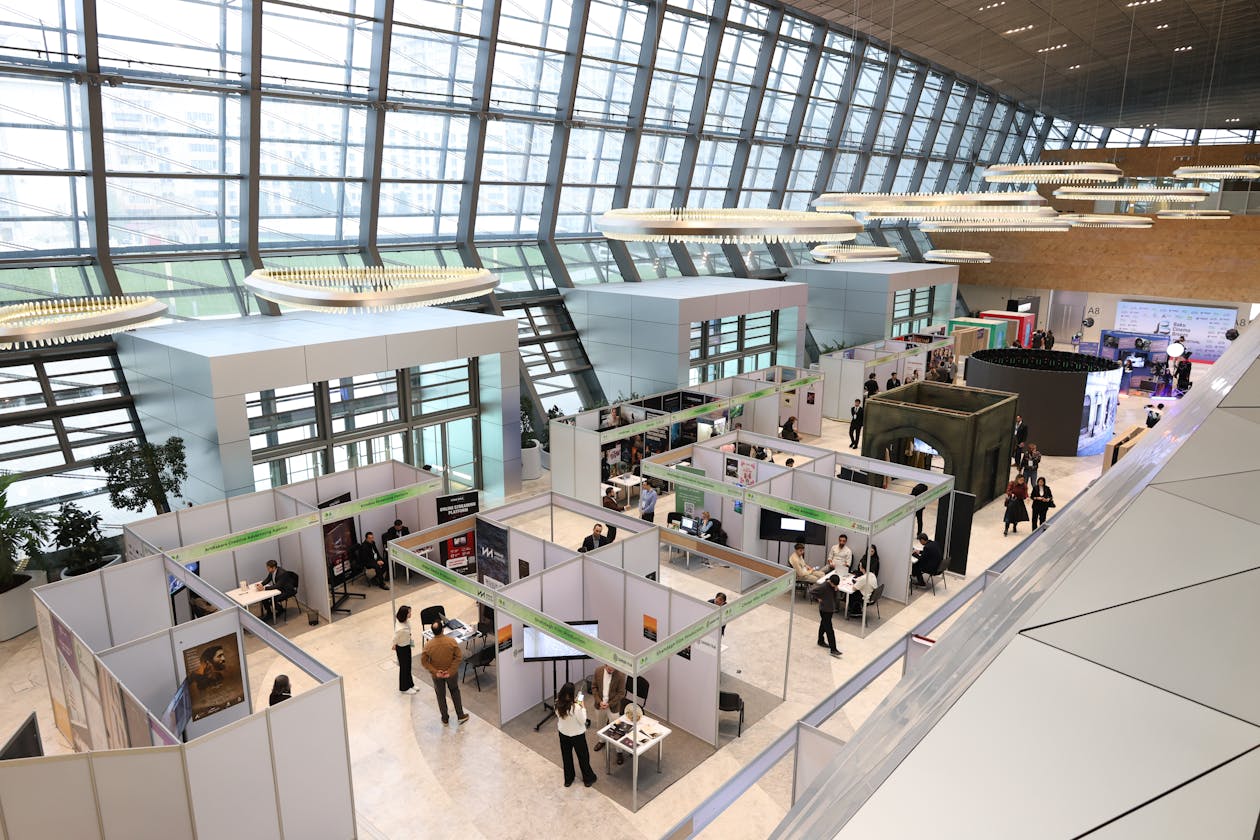
The most common banner sizes and what they are used for
UK banner printing is dominated by a handful of standard sizes. Knowing which is which — and which suits your venue — is the fastest way to get your order right.
| Size | Metric equivalent | Best used for |
|---|---|---|
| 6ft × 2ft | 1800 × 600mm | Crowd barriers, security fencing, shop fronts — the most popular all-rounder |
| 8ft × 3ft | 2400 × 900mm | Outdoor events, building wraps, large fencing runs — adds visual weight |
| 10ft × 4ft | 3000 × 1200mm | Maximum impact at exhibitions, large venues, roadside displays |
| 800 × 2000mm | Portrait roller banner | Standard pull-up roller banner for exhibitions and entrance points |
These sizes are popular because they fit standard frame systems, clip banner kits and hemmed eyelet setups without any waste. If none of these match your space, custom sizes are available — see below.
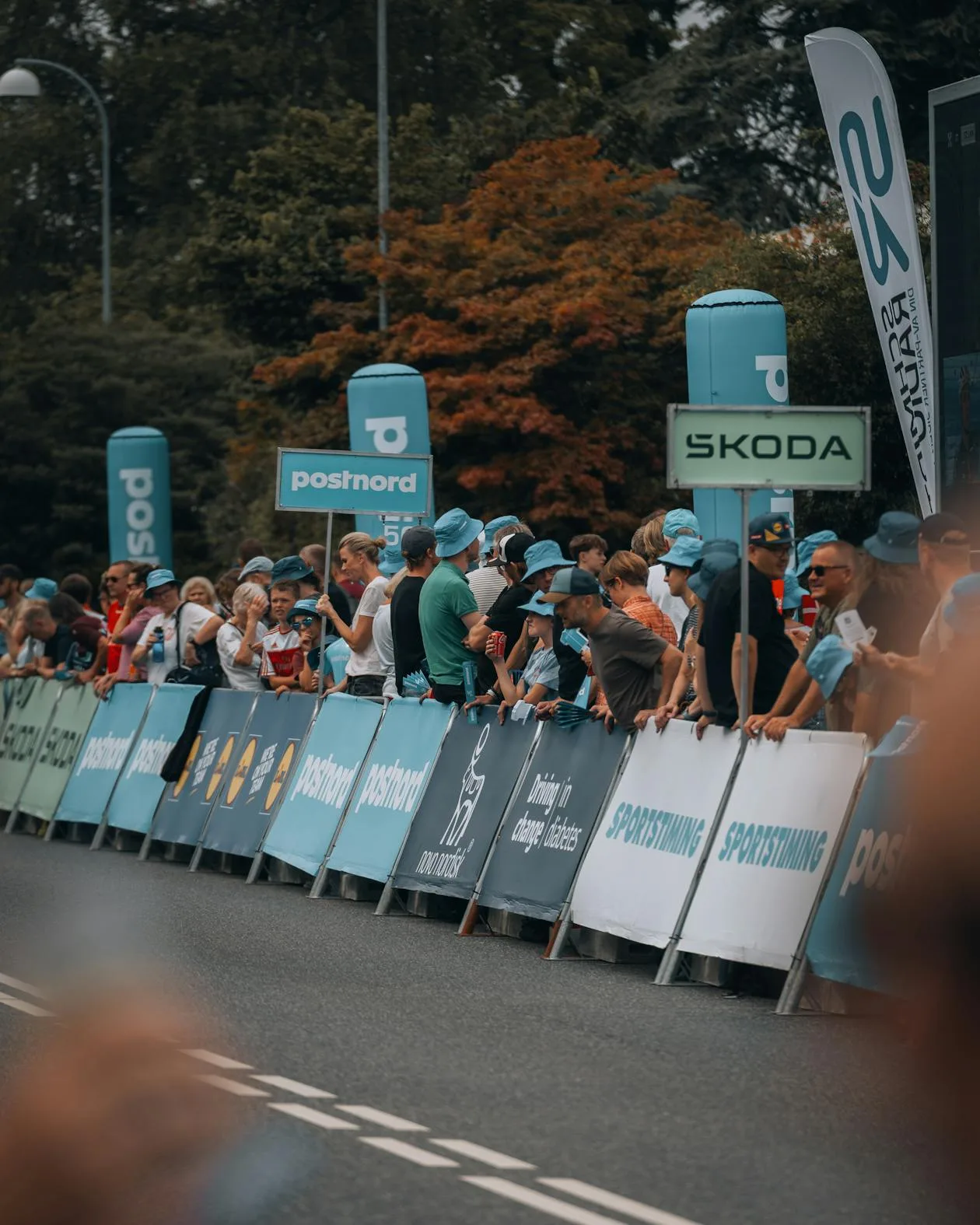
How far away will people be reading from?
Viewing distance is the single most overlooked factor in banner sizing. A simple rule of thumb: allow 1 inch of text height for every 10 feet of viewing distance.
- 10 feet: 1-inch letters are readable — suitable for close-up displays, indoor stands
- 20 feet: 2-inch letters minimum — good for barriers and fencing at events
- 30 feet: 3-inch letters — necessary for roadside or building banners
- 50+ feet: 5-inch letters or larger — large format outdoor only
At an outdoor event with 30 feet between barriers and crowd, your main headline needs to be at least 75mm (3 inches) tall to be read confidently. Scale your banner size to accommodate that text at full impact — not just squeezed into the bottom third.
Outdoor vs indoor banners
The environment your banner lives in determines the specification you need. Indoor and outdoor are not interchangeable — not if you want the banner to last and perform.
Outdoor banners need to handle wind, rain and UV exposure. That means:
- PVC 440gsm or 550gsm — the heavier the gsm, the more durable in exposed conditions
- Hemmed edges — sewn or welded hem prevents tearing at stress points
- Eyelets every 500mm — allows secure tie-down to fencing, frames or buildings
- Wind slits (optional) — perforated cuts reduce wind loading on large banners in exposed locations
Indoor banners can use lighter material — 300gsm or even fabric — but still benefit from proper finishing if they need to be repositioned or reused multiple times. For a one-event indoor display, a simple pop-up display or lightweight PVC banner is perfectly sufficient.
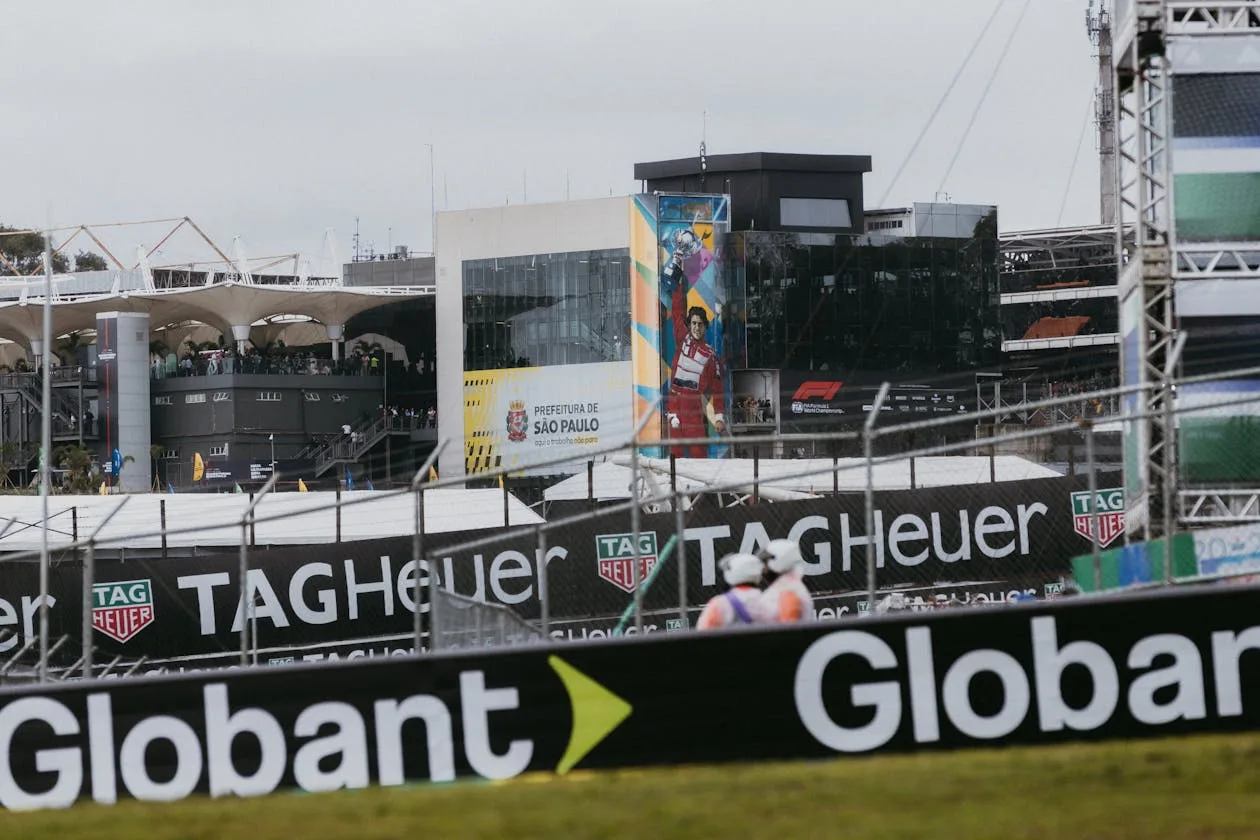
Portrait vs landscape — which works better?
The orientation of your banner should follow the shape of the space you are filling, not personal preference.
Landscape banners work best for:
- Crowd control fencing and barriers — runs horizontally along the fence line
- Building frontages — spans the width of a shop or venue
- Hoarding boards and construction site panels
- Behind a stage or backdrop at an event
Portrait banners work best for:
- Exhibition stands — fills a vertical column or panel naturally
- Entrance points and doorways — guides visitors vertically
- Roller banner stands and pop-up displays — all use portrait format
- Lamp post banners and suspended signage
When in doubt: if you are tying to something horizontal, go landscape. If you are standing something upright, go portrait.
What about roller banners and pop-up displays?
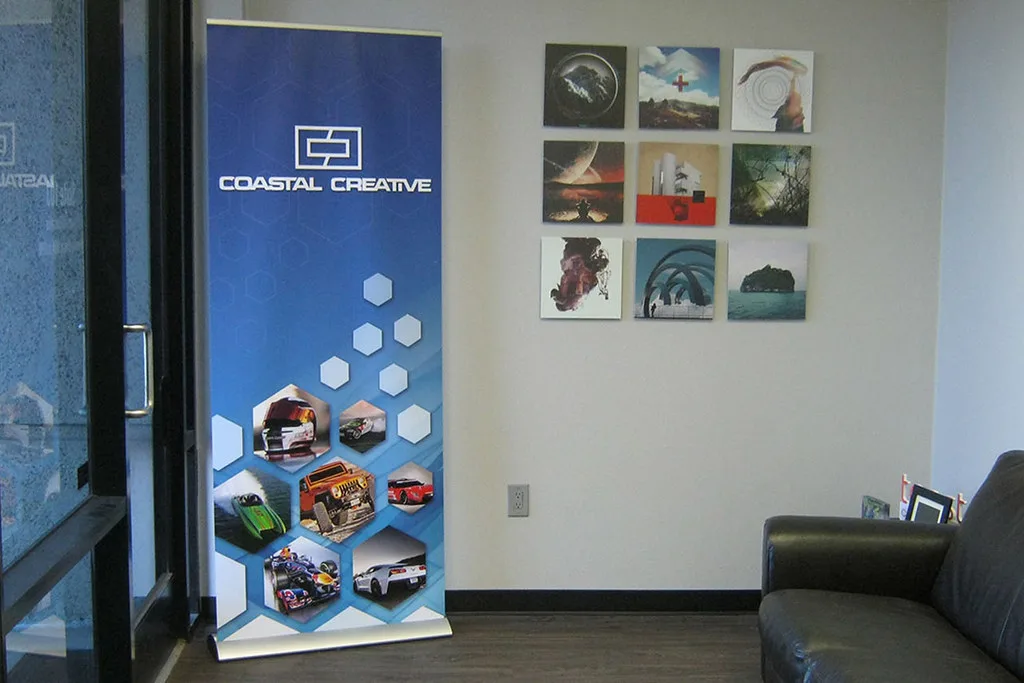
Roller banners — also called pull-up banners or retractable banner stands — are the workhorse of the exhibition world. The standard size is 800 × 2000mm, though 850mm and 1000mm wide variants are common for premium displays.
The graphic winds into a self-contained aluminium base unit. When you arrive at an event, it pulls up in seconds and locks into a support pole. Graphic replacement is straightforward — you keep the hardware and just order a new printed panel when the design changes.
Pop-up displays use a larger curved or straight frame — typically spanning 3 metres or more — with interlocking fabric or PVC panels. They create a full backdrop for exhibition stands, conference booths and product launches. Both systems are fully reusable and ideal for regular event attendees.
Can I get a custom size?
Yes — any size. If your venue has an unusual space, non-standard aspect ratio, very large format requirement or a bespoke frame to fill, we can print to your exact dimensions. There are no minimum or maximum size rules with 3V Signs.
Tell us the exact width and height you need, the environment it will be used in (indoor or outdoor), how it will be fixed or displayed, and whether you need finishing such as hemming, eyelets or pole pockets. We will quote from there.
Get a quote from 3V Signs
3V Signs is based in Bracknell, Berkshire, and supplies banners and large format print to businesses across Reading, Windsor, Slough and the wider Berkshire area. Whether you need a single roller banner for a local show or a full run of barrier banners for a major outdoor event, we can help.
Any Size, No Minimums
Standard sizes or fully bespoke dimensions — there are no minimum or maximum rules.
Indoor or Outdoor Spec
Material, hemming and eyelets specified to suit exactly where the banner will live.
Fast Turnaround
Standard banner orders are produced quickly to fit fixed event dates.
UK Produced, Bracknell Based
Designed and produced from our Bracknell workshop.
Explore More Services
Sizing your banner right pairs well with these products.