
Signs for events and exhibitions — what works and what gets forgotten
Most businesses putting on a stand at a trade show or exhibition spend weeks thinking about their pitch, their product, and their stand layout. The signage? That tends to get remembered around three weeks before the event — and the bits that support it tend to get forgotten entirely until the day.
This post covers what to brief, what to order, and what to not leave behind.
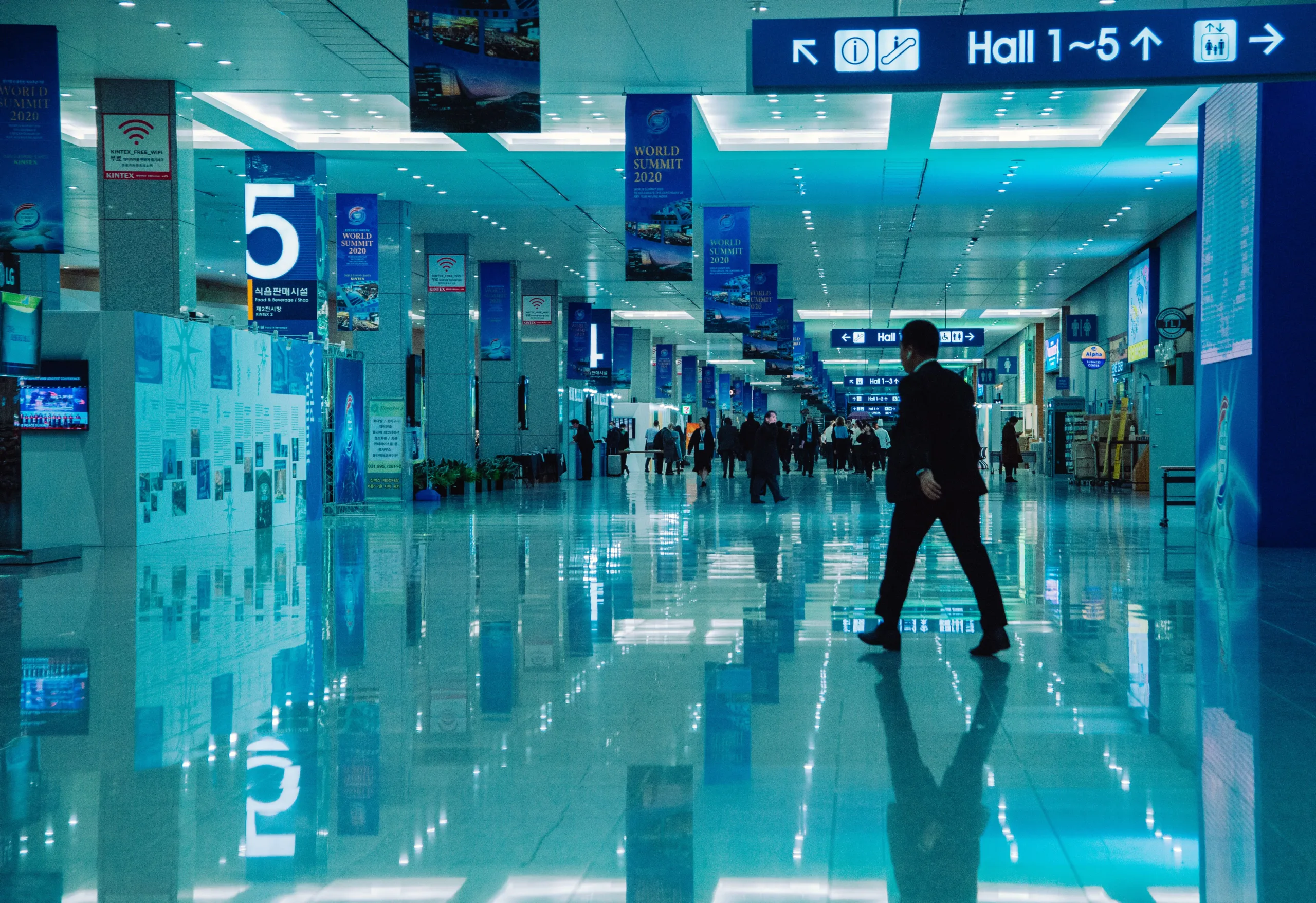
Start with what people see first
Before anyone reaches your stand, they see the space around it. At most exhibitions and trade shows, the approach — whether a long aisle or an open hall — is where you either win attention or lose it.
Think about what is visible from 10 metres away. A retractable banner or a pull-up stand at the entrance to your zone draws people in. Overhead signage — hanging banners, suspended structures — works in larger halls where eye-level competition is fierce. If the event allows it, a branded entrance graphic or directional board before your stand creates a visual lead-in that moves people towards you before they have even decided to come.
This is not decoration. It is the beginning of your conversion funnel.
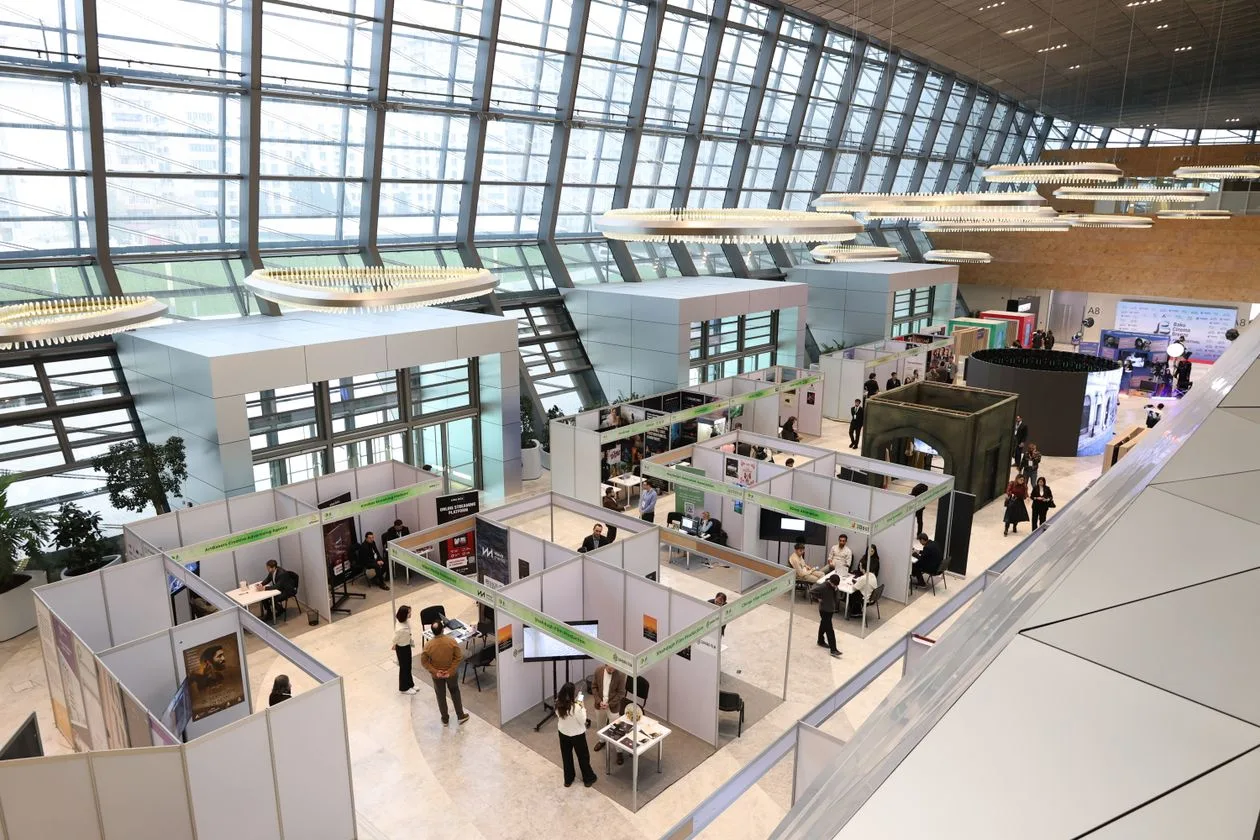
What people see when they arrive
The stand itself is your shop window for the day. Whether you are occupying a 2×2 shell scheme or a 6×6 open space, what people see in the first two seconds tells them whether this brand is worth their time.
A full-width backdrop or a fabric display system behind your table or counter sets the tone immediately. If you are using tables, branded tablecloths and printed table throws make a cheap setup look considered. Product displays benefit from printed card or foam-mounted boards that explain what you do without requiring a conversation to start. If you are selling or showing multiple things, give each a clear visual identity — a printed panel, a display stand, something that holds the brand together.
The worst thing a stand can look like is an afterthought. A few well-specified print items prevent that.
What people take away
People walk away from events with bags full of stuff they may or may not look at again. The businesses that stick in their memory are the ones who put something in that bag that earns a second look.
Printed materials — folders, leaflets, flyers, booklets — are obvious and still work. Branded packaging around a sample or a giveaway keeps the logo visible after the event is long over. If you are giving away products, a sticker or a label with your contact details on it is a small cost with real tail value.
The goal is not to produce mountains of print. It is to make sure something leaves with every genuine conversation you have.
What gets forgotten every time
Here is the list that most businesses wish they had read three weeks earlier.
Directional signage. If your stand is not immediately visible from the entrance, people need help finding it. A printed board at the junction of two aisles, a floor graphic, or a simple hanging sign with your stand number is easy to produce and consistently overlooked until the floor plan lands in your inbox the week before.
Floor graphics. At busy events, a floor graphic in the walkway near your stand stops people and creates visual interest below eye level. Not many exhibitors bother. That is why they work.
Cable covers and infill panels. Shell scheme panels often come with gaps, exposed fixings, or trailing cables. Printed vinyl covers or printed infill pieces are inexpensive and make the difference between a stand that looks like a proper business and one that looks like a kit.
Outdoor wayfinding. If the event is outdoors — a market, a food festival, a county show — the signage requirements are completely different. Weather resistance, ground stakes, A-boards, and outdoor banners need to be specified appropriately. Indoor material in the rain is money wasted.
Ordering in time
There is no mystery here. Standard turnaround for most exhibition print is five to seven working days once artwork is approved. Custom fabrication — suspended systems, bespoke structures, special substrates — takes longer.
The rule is: have your brief in four weeks before the event. That gives you time to see proofs, request changes, and receive everything without paying for rush production. Leave it to the last week and you are paying for someone else’s schedule to be rearranged around yours.
If your event is in six weeks, brief it now. If it is in twelve, put a reminder in your calendar for week eight. There is no upside to leaving it late.
Can 3V Signs help?
We supply event and exhibition signage for businesses across Berkshire and throughout the UK — everything from roller banners and fabric backdrops to custom display structures and floor graphics. Supply only or installed on-site, depending on what you need.
If you have a date in your diary and need to work out what signage you will need, get in touch.
Stand-Ready in Days
Standard exhibition print turns around in five to seven working days.
Seen From the Aisle
Directional signage and floor graphics that get your stand noticed before people arrive.
Nothing Left Behind
From cable covers to giveaways, we help you brief the details that get forgotten.
UK Produced, Bracknell Based
Designed and produced from our Bracknell workshop.
Explore More Services
Explore more of what we produce.